Boat Tinting on Lake Norman — What to Know Before You Book
Boat Tinting Isn't Just About Looks — It's About Protecting Your Investment
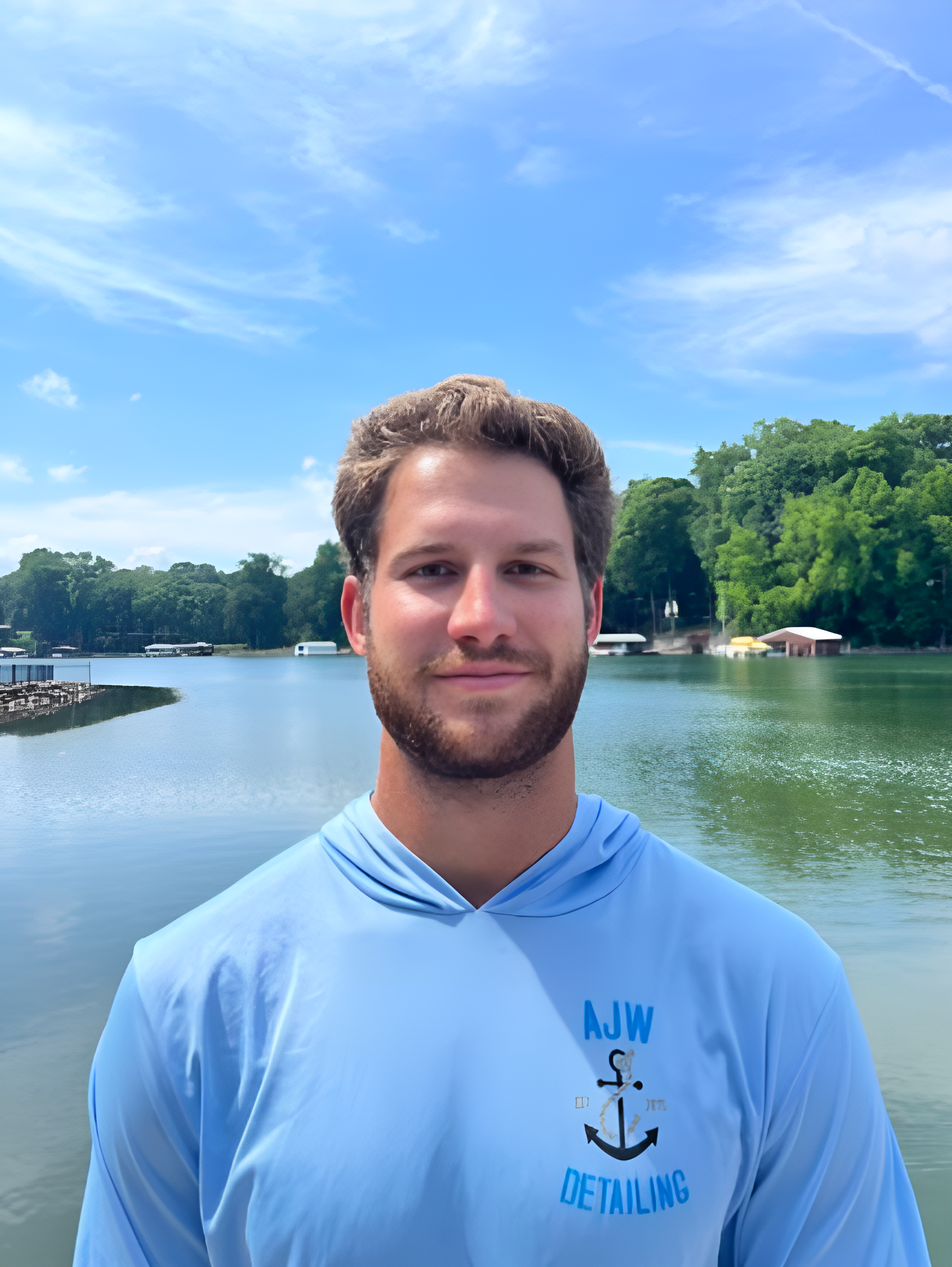
I've been detailing boats on Lake Norman for over ten years, and one of the questions I get more than almost anything else is about window tinting. Boat owners see what tint does for their truck or SUV and want the same thing for their helm glass and cabin windows. The short answer is yes — marine window tinting works, and it works well. But boat tinting is a different animal than automotive tinting, and there are a few things you need to understand before you book.
I've tinted boats at Crown Harbor, Safe Harbor Mooresville, Holiday Harbor, and private docks from Denver to Sherrills Ford. Every install teaches me something, and I want to share what I've learned so you go in with the right expectations.
Marine Window Film Is Not the Same as Car Tint
The film that goes on your truck windows will not hold up on a boat. Marine-grade window film is engineered for constant UV exposure, humidity, water spray, and temperature swings that automotive film simply cannot handle. Cheap automotive tint on a boat will bubble, peel, and turn purple within one season on Lake Norman.
When I do a boat tinting job, I use ceramic marine-grade film. Ceramic window tint does not interfere with GPS, VHF radio, or fish finders the way metallic-based films can. It also handles the heat rejection better — we are talking about reducing cabin temperatures by up to 15 to 20 degrees on a sunny day at the lake.
How to Choose the Right VLT for Your Boat
VLT stands for Visible Light Transmission — it is the percentage of light that passes through the film. Lower number means darker tint. North Carolina has no state regulations on marine window tint darkness, which gives you flexibility, but you still need to think about visibility and safety on the water.
Here is what most Lake Norman boat owners choose:
- Windshield and helm glass: 35% to 50% VLT — keeps glare manageable without cutting too much visibility for navigation, especially during early morning or late afternoon runs
- Side windows and cabin glass: 20% to 35% VLT — darker tint here gives you better privacy and heat rejection where you do not need to see out for steering
- Rear windows: 15% to 20% VLT — maximum UV protection and privacy for sleeping cabins or storage areas
I always recommend keeping the windshield lighter than the sides. The U.S. Coast Guard requires adequate forward visibility, and a 20% windshield on an overcast evening can make navigating the channel markers near Jetton Park or coming into River City Marina harder than it needs to be.
What About Curved Glass and Acrylic?
A lot of pontoons and newer sport boats use curved acrylic or Plexiglas panels instead of tempered glass. Not every installer knows how to work with acrylic — the adhesive matters, the prep matters, and cutting patterns for curved panels takes real practice. I have seen boats come in with aftermarket tint bubbling off acrylic because the installer used the wrong film type. If your boat has acrylic windows, ask your installer specifically about their experience with non-glass surfaces before you commit.
What Happens Before the Install
A clean surface is everything. Before any film goes on, every window gets cleaned inside and out — no water spots, no salt residue, no pollen. If your boat has been sitting at the dock through pollen season on Lake Norman, there is a layer of yellow pine dust baked onto your glass that has to come off completely. Any debris trapped under the film becomes a permanent blemish.
I also check for scratches and chips in the glass. Tinting over a crack will not fix it, and it can make removal harder down the road. If something needs attention, I will let you know before we start.
How Long Does It Take?
Most pontoons take two to three hours depending on the number of windows and how accessible they are. Larger cabin cruisers or boats with wraparound windshields can run four to five hours. I come to your dock — you do not need to trailer or haul out. I have done installs at slips along Brawley School Road, at marinas off Hwy 150, and at private docks throughout Cornelius, Mooresville, and Davidson.
The Real Benefits Beyond Looking Good
Tinting your boat windows does more than give your boat a sleek appearance. Marine window film blocks up to 99% of UV rays, which protects your upholstery, vinyl seats, and dash electronics from fading and cracking. I see boats every season where the captain's chair is faded and split on the sun side but fine on the shaded side — that is UV damage, and tint prevents it.
Glare reduction is the other big benefit. If you have spent an afternoon running west on Lake Norman with the sun in your eyes, you know how brutal the reflection off the water can be. A quality ceramic tint cuts that glare down dramatically without making the glass too dark to see through.
Ready to Get Your Boat Tinted on Lake Norman?
If you are thinking about tinting your boat on Lake Norman, the best move is to call me and talk through what you are looking for. I will walk you through film options, VLT choices for your specific boat, and give you an honest quote based on the number of windows and the type of glass or acrylic. No pressure, no upsell — just straight talk from someone who does this every week on the lake. Call or text (704) 594-3948 to set up a time that works for your schedule.