Lake Norman Low Water Is Hiding Hull Damage
The Lake Is at least 15 ft lower—and your hull is paying for It
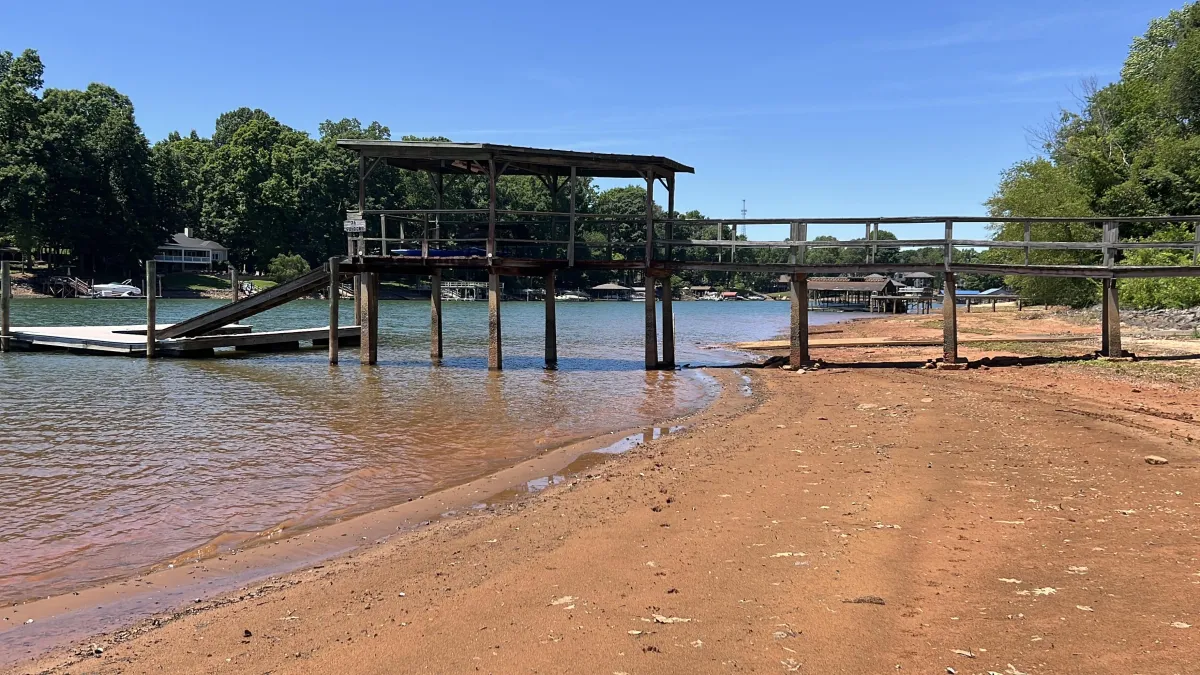
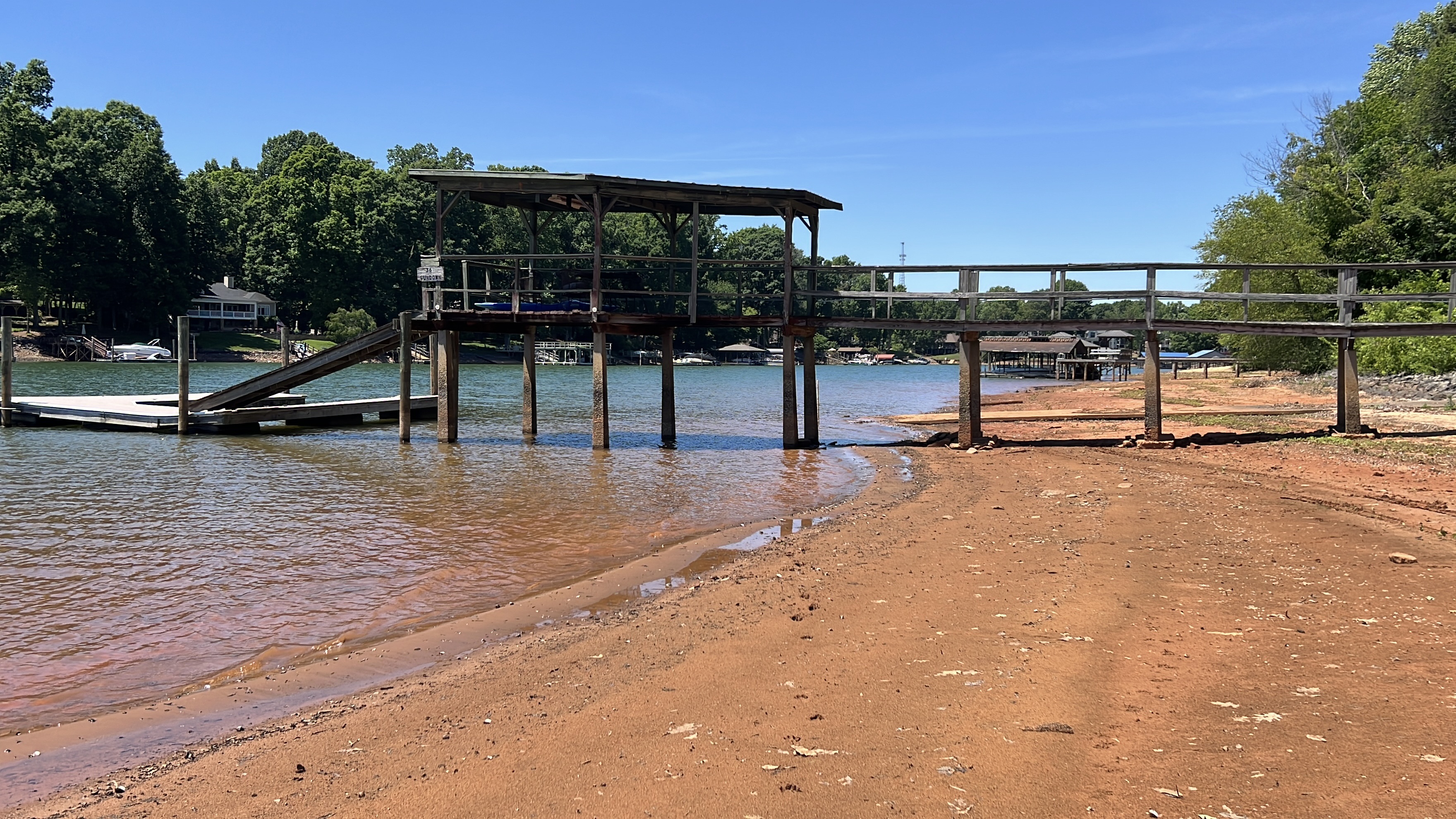
Right now Lake Norman is sitting more than two feet below its normal target level. Duke Energy's Stage 1 drought advisory is still active, Blythe Landing ramps are closed, and boaters are hitting submerged stumps and sandbars that haven't been a problem in years. If you've been on the water at all this spring, you already know the lake looks different.
But here's the part most boat owners miss: low water isn't just a navigation problem. It's a hull damage problem. And the damage it causes is the kind that hides until it's expensive.
What Low Water Actually Does to Your Hull
When the lake drops two or three feet, gel coat that's normally underwater is now baking in direct NC sun. That hull surface wasn't designed for UV exposure — it was designed to be submerged. Once it's sitting in the sun day after day, oxidation starts fast. We're talking weeks, not months.
That chalky, dull band you see right above the current waterline? That's oxidized gel coat. Left alone through summer, it gets worse. The clear coat breaks down, the color fades, and by fall you're looking at a compound-and-polish job that could've been a simple wax if you'd caught it in May.
Then there's the mechanical damage. Boats are scraping bottom in coves that were six feet deep last summer. Submerged stumps near Hagers Creek, the shallows off Brawley School Road, the approach to River City Marina — all of these are problem spots right now. A single hit on a stump can leave a gouge in your gel coat that lets water into the fiberglass underneath. That's not cosmetic anymore. That's structural.
How to Tell If Your Hull Has Drought Damage
You don't need a marine surveyor for this. Walk your dock and look at the waterline area — not where the water is now, but where it used to be. If you see a visible band of dull, chalky finish above the current waterline, that's oxidation from UV exposure on gel coat that's normally protected by the water.
Run your fingernail across any scrapes or gouges below the waterline. If your nail catches and you can feel a ridge, that scratch has gone through the gel coat. Boats only carry about 1/32 of an inch of gel coat, so it doesn't take much. Scratches that deep need to be sealed before the next time you're on the water — otherwise you're letting moisture into the fiberglass layup, and that turns into blistering and delamination down the road.
Also check your waterline ring. With the lake fluctuating, you've probably got a wider, nastier ring than usual. Algae, mineral deposits, and tannin staining all build up faster when the water level keeps shifting. That ring isn't just ugly — the buildup traps moisture against the gel coat and accelerates oxidation underneath.
What AJW Does About It — And What We Won't Fake
When we pull up to a boat at Crown Harbor or Safe Harbor right now, the first thing we do is assess the waterline zone. We're looking at the width of the oxidation band, checking for gouges, and running a gloss meter across the gel coat to see where we actually are versus where the surface should be. Healthy gel coat reads in the 90s on a gloss meter. Oxidized gel coat from UV exposure? We've seen boats come in at 40 or lower this spring.
For oxidation, the process depends on severity. Light oxidation — the kind you'd catch after a few weeks of exposure — comes off with a one-step compound and polish. We use a dual-action polisher, not a rotary, because fiberglass gel coat is thin and a rotary in the wrong hands burns right through it. Moderate oxidation gets a two-step: cut with a medium compound, then finish polish. Severe cases — the boats that have been sitting uncovered since last fall with the hull exposed — need wet sanding before we even touch a compound. That's 1000-grit, then 1500, then compound, then polish. It's a full day of work on a 24-footer.
For scratches and gouges from hitting submerged objects, we'll tell you straight: if the scratch is through the gel coat into fiberglass, that's a fiberglass repair first, detailing second. We don't do structural fiberglass work, and we won't compound over a gouge and pretend it's fixed. We'll refer you to a marine repair shop for the patch, then come back and blend the finish once it's cured. That's the honest sequence.
Why This Matters More Right Now Than Any Other Spring
Normal years, the lake fills back up in April and May. Rain pushes the water level back to full pool, the hull goes back underwater, and whatever minor oxidation started gets slowed down by submersion. Not this year. North Carolina is in extreme drought — more than 40% of the state is affected, Charlotte is 15-plus inches below normal rainfall since last August, and there's no sign of significant rain in the forecast.
That means the exposed hull section on your boat isn't going back underwater anytime soon. Every day of NC sun from now through September is compounding the damage. The boats we're seeing at Holiday Harbor, Jetton Park, and the docks along Peninsula Club Road are already showing more oxidation in May than we'd normally see in August.
Memorial Day is 18 days out. If you're planning to have your boat on the water that weekend — and with 500+ boats expected for Black Boat Weekend in June — this is the window to get the hull assessed and corrected before the summer UV really sets in.
Get Your Hull Checked Before Summer Sets In
AJW Detailing runs a full mobile operation, dock to dock, across Lake Norman. Cornelius, Mooresville, Denver, Davidson, Sherrills Ford — if you've got a dock or a slip, we come to you. Alex Adams has been on this lake for 10 years, Glidecoat Pro certified, with more than 1,200 boats coated. We know what low-water damage looks like because we're seeing it every single day right now.
If you want your hull assessed before you spend all summer making the damage worse, give us a call at (704) 594-3948 or visit our home page today or book online. We'll tell you exactly what your boat needs — and what it doesn't.